
.png)
Hydraulic Cylinder Repair – When Is It Necessary and What Does It Involve?
Hydraulic Cylinder Repair – When Is It Necessary and What Does It Involve?
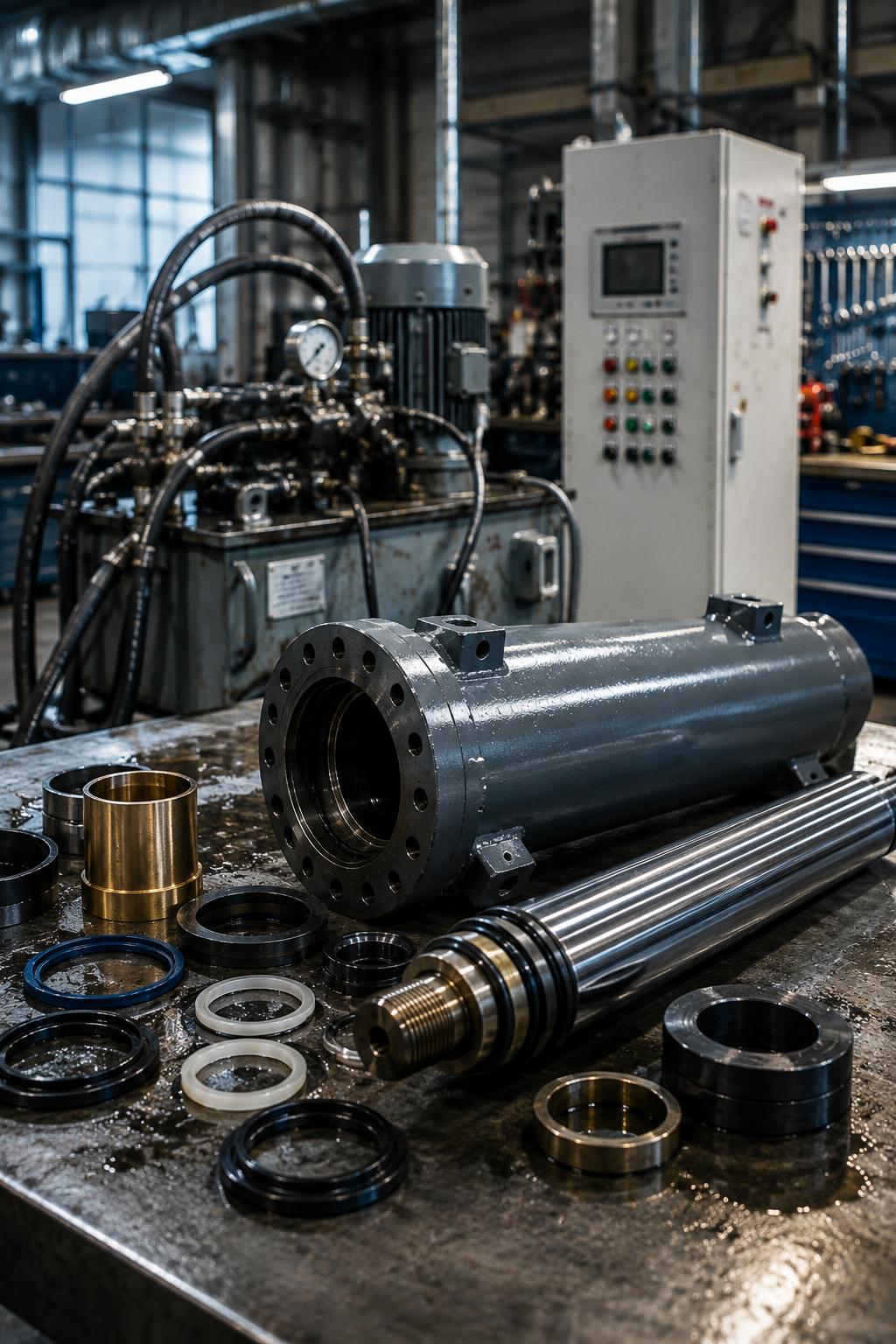
Hydraulic cylinders are essential components in many industrial machines and systems, where they convert hydraulic energy into linear motion and enable operations that require high forces. Their correct operation directly influences the performance and availability of the equipment in which they are installed.
Seal wear, fluid contamination, piston rod damage, oil leaks or mechanical stress can gradually lead to reduced performance or even complete equipment downtime.
Hydraulic cylinder repair services are intended to identify the source of the failure, assess the condition of the components and restore the cylinder's correct operating parameters.
In many cases, identifying a problem at an early stage can prevent further component damage and reduce the costs associated with unplanned machine downtime. Below, we examine the most common problems, the signs that indicate the need for intervention and the key stages of the repair process.
Table of Contents
Operating principle, main components and the role of cylinders in hydraulic systems.
Oil leaks, worn seals, piston rod damage, piston problems, contamination and mechanical wear.
Loss of force, uneven movement, oil leaks, unusual noises and changes in machine performance.
Diagnosis, disassembly, component inspection, reconditioning or replacement, reassembly and testing.
Maintenance, hydraulic fluid condition, seal monitoring and early identification of wear symptoms.
How Does a Hydraulic Cylinder Work and What Is Its Role in an Industrial Application?
A hydraulic cylinder is one of the actuating components of a hydraulic system. Its role is to convert the energy of pressurized hydraulic fluid into force and linear motion, which are required for moving, lifting, pressing or positioning various machine components.
Due to the ability of hydraulic systems to generate high forces, hydraulic cylinders are used in a wide range of industrial applications, from machine tools and production equipment to complex systems where movement must be controlled, safe and repeatable.
Operating Principle of a Hydraulic Cylinder
The operating principle is based on the use of pressurized hydraulic fluid to move the piston inside the cylinder. The pressure acting on the surface of the piston generates the force required to move it.
The movement of the piston is transmitted externally through the piston rod. Depending on the system configuration, flow rate, pressure and the active piston area influence the operating parameters of the cylinder.
Pressurized fluid → piston movement → piston rod movement → generation of the force and motion required by the industrial application.
What Are the Main Components of a Hydraulic Cylinder?
The exact design varies depending on the cylinder type and application, but an industrial hydraulic cylinder consists of several components that must work together under the correct operating conditions.
Forms the chamber in which the piston moves and must withstand the pressures and loads generated during operation.
Separates the working chambers inside the cylinder and converts hydraulic fluid pressure into mechanical force.
Transfers the movement and force generated inside the cylinder to the mechanism or equipment being actuated.
Limit internal and external fluid leakage and help maintain the pressure required for proper operation.
Why Is Proper Hydraulic Cylinder Operation Important?
In an industrial application, cylinder performance directly influences the operation of the mechanism it actuates. Pressure losses, damaged seals, piston rod wear or damage to internal surfaces can affect force, precision and movement stability.
A seemingly minor problem can develop over time and lead to fluid leakage, reduced performance or machine downtime. For this reason, identifying the symptoms and carrying out hydraulic cylinder repair in a timely manner can help prevent further damage and unplanned downtime.
In the next chapter, we examine these problems in detail and look at the most common hydraulic cylinder failures and the components that may be affected.
What Are the Most Common Hydraulic Cylinder Failures?
Hydraulic cylinders often operate under demanding conditions and are exposed to high pressures, mechanical loads, contamination and a large number of operating cycles. Over time, these conditions can lead to wear or damage to certain components.
Correctly identifying the cause of the problem is one of the most important steps before carrying out hydraulic cylinder repair. Replacing a single component without identifying the underlying cause of the failure may result in the same problem occurring again.
1. External Hydraulic Oil Leaks
Oil leakage is one of the easiest signs of a hydraulic cylinder problem to identify. Leaks can occur around the piston rod, sealing elements, connections or other areas of the assembly.
Worn or damaged seals, contamination, damage to the piston rod surface and improper operating conditions are among the factors that should be checked when a hydraulic cylinder is leaking oil.
2. Wear of Seals and Sealing Elements
Sealing elements play an important role in keeping the hydraulic fluid within the correct areas of the cylinder. During operation, they are exposed to friction, pressure and temperature variations.
A damaged seal can allow external or internal leakage to occur. Internal leakage may be more difficult to identify visually, but the cylinder may begin to lose its ability to hold a load or deliver the performance required by the application.
3. Hydraulic Cylinder Piston Rod Damage
The piston rod is one of the cylinder components directly exposed to the external environment. Impacts, scratches, corrosion or improper mechanical loads can damage its surface.
A damaged surface can affect the sealing elements during every cylinder stroke and may contribute to hydraulic oil leakage. In addition, a bent or deformed piston rod can affect the way the cylinder transfers force to the actuated mechanism.
Replacing the seals does not always eliminate the cause of a hydraulic cylinder failure. If the piston rod, working surfaces or other components are damaged, new sealing elements may wear out again within a short period of time. This is why the cylinder should be evaluated as a complete assembly.
4. Wear of the Piston and Internal Surfaces
The piston and the internal surfaces of the cylinder are essential for proper operation of the assembly. Wear, scratches or other types of damage can affect the sealing between the cylinder chambers.
In these situations, internal fluid leakage and reduced performance may occur. The cylinder may appear to continue operating, but it may develop less force or have difficulty maintaining its position.
5. Hydraulic System Contamination
Contaminant particles present in the hydraulic fluid can contribute to wear of working surfaces and sealing elements. Over time, contamination can affect not only the hydraulic cylinder but also other components within the hydraulic system.
For this reason, when contamination-related wear is identified, the condition of the hydraulic system should also be analyzed. Repairing the cylinder without eliminating the source of contamination may lead to repeated component damage.
6. Mechanical Loads and Improper Installation
A hydraulic cylinder must operate within the conditions for which it was designed and installed. Side loads, incorrect alignment, mechanical shocks or loads exceeding the application's design parameters can accelerate component wear.
In such cases, hydraulic cylinder reconditioning should also include identifying the cause that led to the damage. Otherwise, there is a risk that the same failure will occur again.
Oil leaks, damaged seals, piston rod wear, internal leakage and changes in cylinder performance should not be ignored. In the next chapter, we examine the signs that indicate a hydraulic cylinder may require inspection or repair.
What Are the Signs That a Hydraulic Cylinder Needs Repair?
Hydraulic cylinder failures do not always result in immediate equipment shutdown. In many cases, the first symptoms appear gradually: the cylinder begins to operate more slowly, no longer develops the same force, oil leaks appear or its movement becomes uneven.
Recognizing these signs can allow the equipment to be inspected before the problem causes further damage. A timely diagnosis can determine whether hydraulic cylinder repair is required and identify the actual cause of the abnormal behavior.
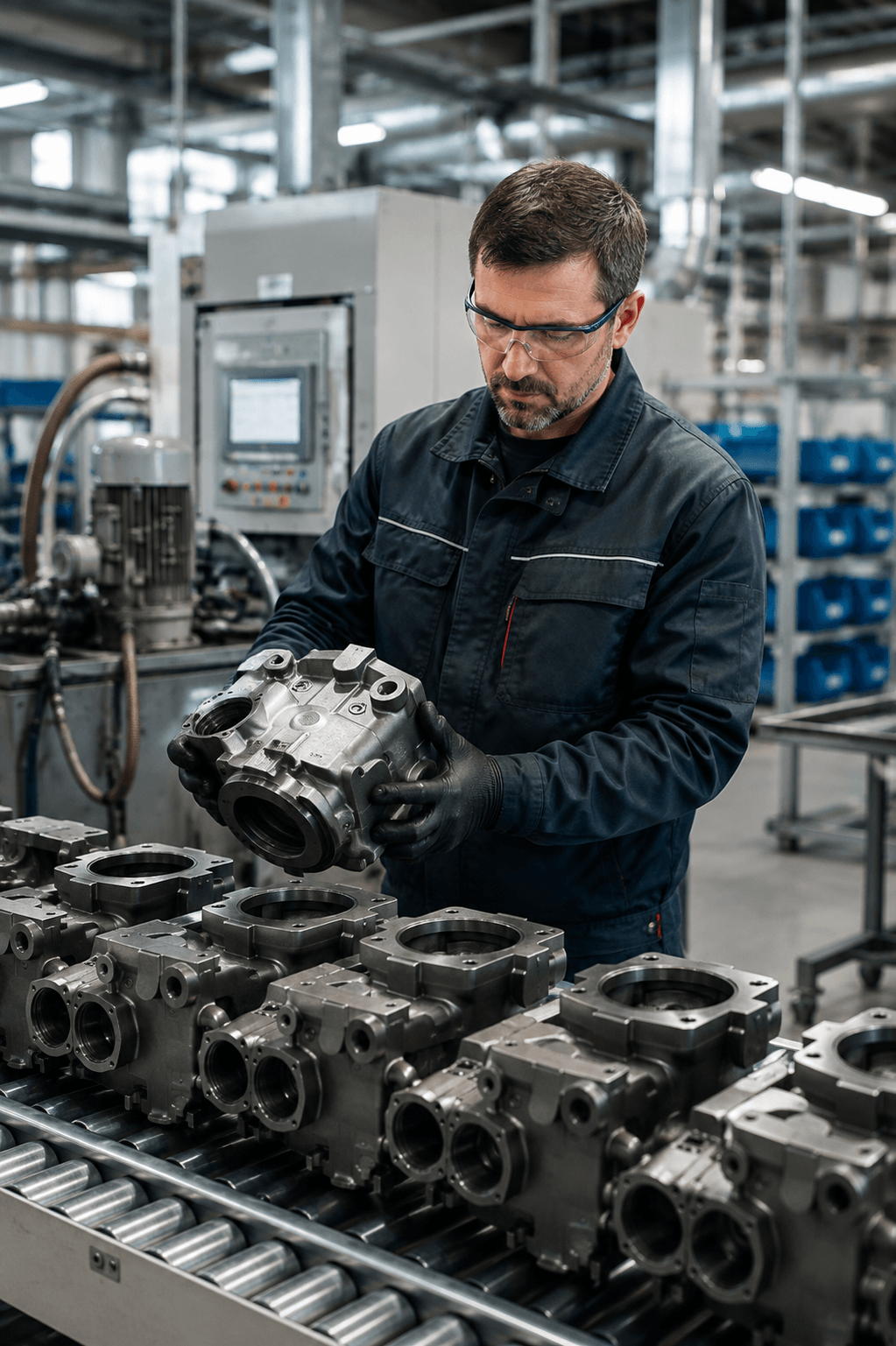
1. The Hydraulic Cylinder Is Leaking Oil
Visible leakage is one of the clearest signs that a hydraulic cylinder should be inspected. Oil leaks can occur around the piston rod, seals, connections or other areas of the assembly.
Even a seemingly minor leak should be investigated. In addition to hydraulic fluid loss, a compromised seal may indicate wear or damage to other components that should be checked before the seals are replaced.
2. The Cylinder No Longer Develops the Required Force
If the actuated mechanism can no longer move or support the same load, the problem may be associated with the hydraulic cylinder. However, the entire hydraulic circuit should be analyzed before a diagnosis is established.
Internal leakage around the piston or sealing elements can affect cylinder performance. However, system pressure, valves, the hydraulic pump and other components of the installation should also be checked in order to correctly identify the cause.
3. Piston Rod Movement Becomes Uneven
Under normal operating conditions, cylinder movement should correspond to the parameters for which the application was designed. Jerky, unstable or uneven movement is a reason to inspect the hydraulic system.
There may be several causes, ranging from mechanical problems and contamination to air in the hydraulic circuit or improper operation of other hydraulic components.
A symptom observed at the hydraulic cylinder does not automatically identify the defective component. The cylinder is part of a complete hydraulic system, and pressure, flow rate, fluid contamination, valves and the mechanical conditions of the application can all influence its behavior. A proper diagnosis should therefore be performed before determining the required repair.
4. The Cylinder Can No Longer Hold Its Position or Load
If the piston rod changes position when it should remain stationary, the hydraulic system should be inspected. Internal leakage may be one possible cause, but the diagnosis should also take into account the circuit configuration and its control components.
5. The Piston Rod Shows Scratches, Corrosion or Deformation
A visual inspection of the piston rod can provide important information about the condition of the cylinder. Scratches, corrosion, impact marks or deformation should not be ignored.
A damaged surface can affect the sealing elements during every cylinder stroke and may eventually lead to hydraulic fluid leakage and accelerated wear.
6. Unusual Noises or Changes in Operation Appear
Unusual noises, vibrations or changes in equipment behavior may also indicate that the system requires inspection. These symptoms should not automatically be attributed to the cylinder, as the cause may originate elsewhere in the hydraulic system.
Signs That Indicate the Hydraulic Cylinder Should Be Inspected
The appearance of one of these symptoms does not automatically mean that the hydraulic cylinder needs to be replaced. A technical assessment can determine the cause of the failure and whether the affected components can be repaired or reconditioned. In the next chapter, we will look at what the hydraulic cylinder repair process actually involves, from diagnosis and disassembly to reassembly and testing.
What Does the Hydraulic Cylinder Repair Process Involve?
The hydraulic cylinder repair process involves more than simply replacing a seal or a damaged component. A proper repair requires identifying the cause of the failure and assessing the condition of the entire assembly.
Depending on the cylinder type, application and degree of wear, the process may include initial diagnosis, disassembly, component inspection, reconditioning or replacement of damaged parts, reassembly and functional testing.
1. Initial Diagnosis and Fault Identification
The first step is to identify the symptoms and the operating conditions under which the problem occurred. Oil leaks, reduced force, uneven movement or an inability to maintain position can provide the first indications of the cylinder's condition.
It is important that the analysis is not limited to the visible symptom. In some situations, cylinder behavior can be influenced by system pressure and flow rate, fluid contamination, control components or the mechanical conditions of the application.
2. Hydraulic Cylinder Disassembly
Following the initial assessment, the hydraulic cylinder can be disassembled to inspect its internal components. This stage allows the piston, piston rod, guiding elements, seals and internal surfaces to be examined in areas that cannot be fully assessed through an external inspection alone.
The condition of the components observed during disassembly can provide valuable information about both the cause of the failure and the conditions under which the cylinder has been operating.
3. Inspection of the Piston Rod, Piston and Working Surfaces
The main components should be inspected for wear, scratches, corrosion, deformation or other types of damage. Particular attention should be paid to the piston rod and the surfaces that operate in contact with the sealing elements.
For example, installing new seals on a damaged piston rod does not eliminate the underlying cause of the problem. The damaged surface can affect the new sealing elements and cause leakage to reappear.
The appropriate technical solution depends on the actual condition of the hydraulic cylinder. Some components may require replacement, while others may be suitable for reconditioning. The decision should be made after inspecting the components and assessing their degree of wear.
4. Replacement of Damaged Components
After the components have been assessed, the parts that require replacement can be identified. Seals and sealing elements are important parts of the repair process, but the intervention may also involve other components depending on the design and condition of the cylinder.
The objective is not simply to eliminate the symptom initially observed, but to restore the assembly to a condition suitable for reliable operation within the industrial application.
5. Hydraulic Cylinder Reassembly
Once the necessary repair or reconditioning operations have been completed, the components are reassembled. Correct installation of the sealing elements and internal components is essential for the subsequent operation of the hydraulic cylinder.
During this stage, particular attention should be paid to component cleanliness and to preventing contaminants from entering the assembly, as particles can accelerate wear after the cylinder is returned to operation.
6. Hydraulic Cylinder Testing After Repair
The final stage is to check the hydraulic cylinder after the repair. Depending on the type of equipment and the available testing capabilities, elements such as sealing, operating behavior and the ability of the assembly to function correctly can be evaluated.
This stage is important before the cylinder is returned to the industrial application, as it can help identify any remaining problems following the repair.
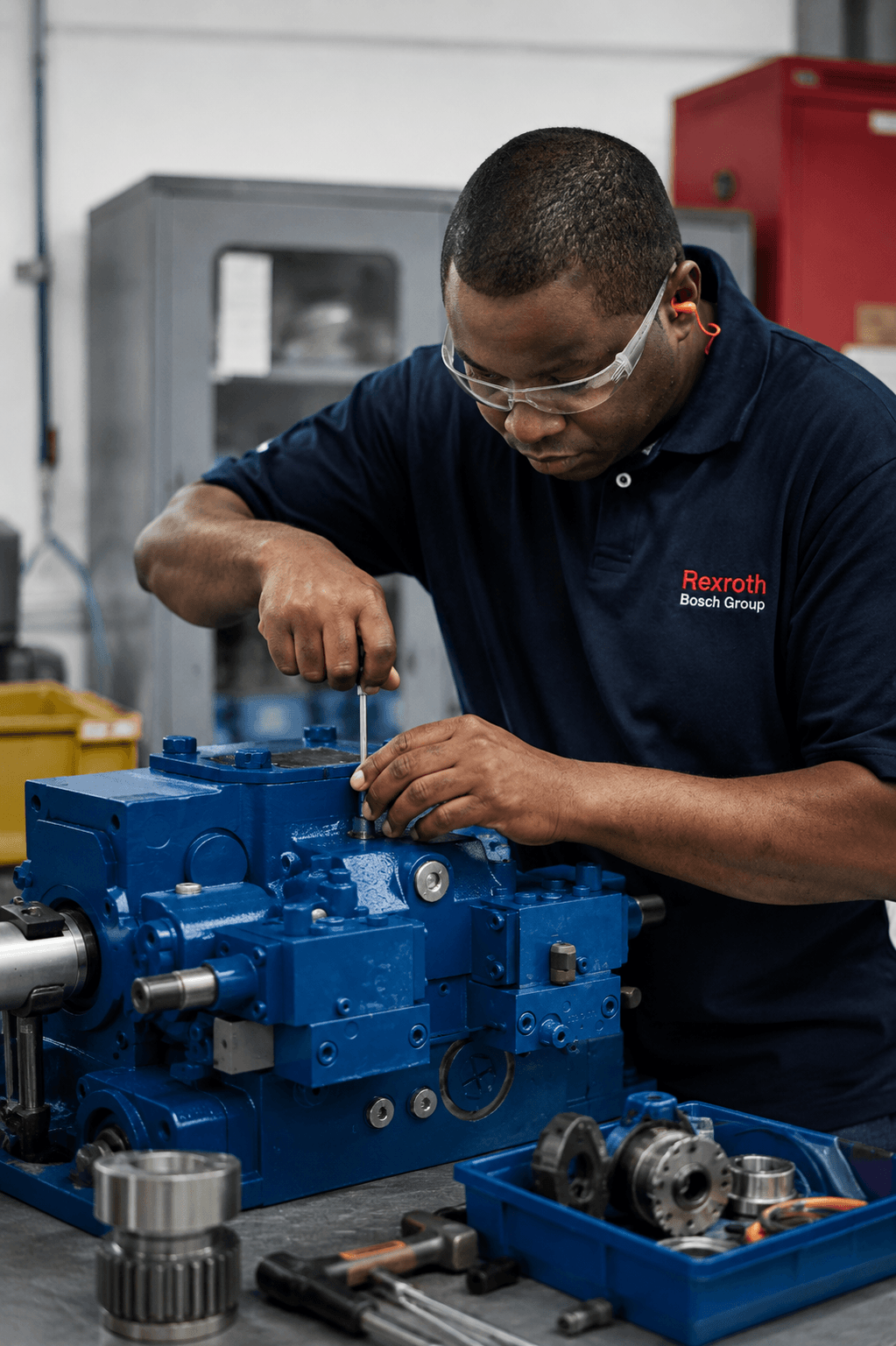
Main Stages of the Hydraulic Cylinder Repair Process
A proper hydraulic cylinder service and repair process should focus both on correcting the failure and identifying the factors that contributed to it. In the final chapter, we will look at the measures that can help reduce the risk of future failures and extend the service life of hydraulic cylinders.
How Can Hydraulic Cylinder Failures Be Prevented?
A significant part of a hydraulic cylinder's service life is influenced by the conditions under which it operates. Maintenance, hydraulic fluid condition, mechanical alignment and the early identification of wear symptoms can help reduce the risk of costly failures.
Preventive measures cannot completely eliminate the possibility of a failure, but they can help reduce unplanned downtime and extend the operating period between hydraulic cylinder repair interventions.
1. Regularly Check for Hydraulic Oil Leaks
Visible leaks should be identified and investigated as early as possible. Even a small amount of fluid loss may indicate seal wear, piston rod damage or another problem within the hydraulic cylinder assembly.
2. Maintain the Hydraulic Fluid in Proper Condition
Fluid contamination can accelerate wear of sealing elements and working surfaces. For this reason, oil condition, filtration and system cleanliness should be monitored as part of regular hydraulic maintenance.
When a hydraulic cylinder is repaired following a contamination-related problem, the source of contamination within the hydraulic system should also be investigated. Otherwise, the repaired components may once again be exposed to the same damaging conditions.
3. Inspect the Hydraulic Cylinder Piston Rod
The piston rod should be inspected periodically for scratches, corrosion, impact marks or other forms of damage. Its surface operates continuously in contact with the sealing elements, and surface defects can accelerate seal wear.
4. Check Alignment and Mechanical Loads
Side loads and incorrect alignment can generate additional stress on the piston rod, guides and sealing elements. For this reason, the mechanical side of the application should also be inspected rather than focusing exclusively on the hydraulic cylinder itself.
A change in cylinder speed, force, noise or sealing performance can be an early indication of a developing problem. Early identification allows the application to be inspected before the damage extends to other components.
5. Perform Regular Hydraulic System Maintenance
A hydraulic cylinder does not operate in isolation. The pump, valves, pipelines, filters and hydraulic fluid are all part of the same system and can directly influence cylinder performance.
A maintenance strategy that considers the entire hydraulic circuit can help identify developing problems before they result in cylinder damage or unplanned machine downtime.
When Should a Hydraulic Cylinder Be Inspected?
If a hydraulic cylinder shows signs of oil leakage, reduced force, uneven movement, piston rod damage or other changes in operating behavior, a technical assessment is recommended before the problem becomes more severe.
A proper repair should address both the immediate failure and the underlying cause that led to it.
Do You Need Hydraulic Cylinder Repair?
The CreatX team can assess the condition of your hydraulic cylinder and the application in which it operates to identify the problem and determine the appropriate technical solution.
Contact the CreatX TeamRelated posts
-
 Bosch Rexroth Hydraulic Pumps – The Complete Guide to Selecting, Repairing and Maintaining Industrial Hydraulic Systems
Discover the complete guide to Bosch Rexroth hydraulic pumps: pump types, industrial applications, selection...Read more
Bosch Rexroth Hydraulic Pumps – The Complete Guide to Selecting, Repairing and Maintaining Industrial Hydraulic Systems
Discover the complete guide to Bosch Rexroth hydraulic pumps: pump types, industrial applications, selection...Read more -
 Hydraulic Cylinders
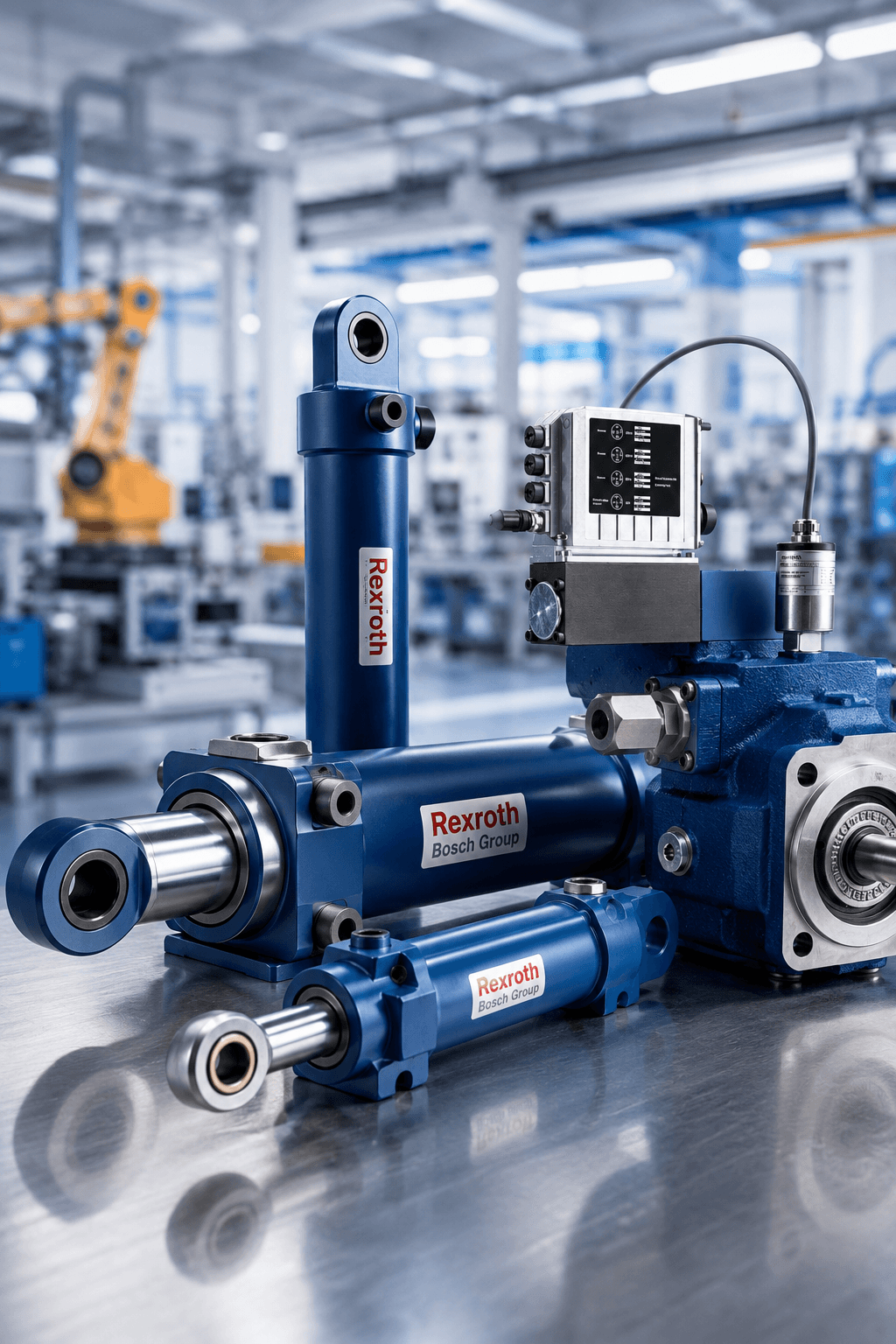
Discover the role of hydraulic cylinders in industrial applications and the advantages of Bosch Rexroth hydraulic...Read more
Hydraulic Cylinders
Discover the role of hydraulic cylinders in industrial applications and the advantages of Bosch Rexroth hydraulic...Read more -
 Hydraulic Motors
Discover what hydraulic motors are, how they work, and the main types used in industry. Learn how to choose the right...Read more
Hydraulic Motors
Discover what hydraulic motors are, how they work, and the main types used in industry. Learn how to choose the right...Read more -
 Hydraulic pump repairs
Find out when hydraulic pump repairs are necessary, what the most common failures are, and how diagnostics,...Read more
Hydraulic pump repairs
Find out when hydraulic pump repairs are necessary, what the most common failures are, and how diagnostics,...Read more
Leave a comment