


SMS Linear Axes – Compact Solutions for Linear Motion in Industrial Automation
SMS Linear Axes – Compact Solutions for Linear Motion in Industrial Automation
SMS linear axes provide a solution for controlled linear motion in industrial automation applications. These systems can be used to move, position or handle components between different points in a production process.
When integrated into an automated system, an SMS linear axis can perform repetitive and controlled movements, making it suitable for applications where the available space, required stroke, transported load and process dynamics must be considered together.
Bosch Rexroth linear motion solutions can be integrated with motors, drive systems and control equipment to create complete automation systems adapted to the requirements of the application.
Linear axes can transform an application's movement requirements into controlled motion and can be integrated into positioning, handling, feeding, transfer or assembly processes.
What Will You Learn from This Article?
What Are SMS Linear Axes and How Do They Work?
SMS linear axes are systems designed to provide controlled movement along a linear path. In an industrial application, they can be used to move a load between two or more positions according to the requirements of the process.
The operating principle involves guiding the moving element along the axis and transmitting motion through the drive system. By controlling the drive, the position, direction and motion profile required for the application can be defined.
In an automated system, the linear axis can operate together with the motor, drive system, sensors and control equipment. This allows the linear movement to be synchronized with other operations performed by the machine or production line.
The final configuration must be determined according to the stroke, load, speed, mounting position and automation requirements of the application.
The system guides the moving element along a defined linear path.
The drive system provides the motion required to move the load according to the application's parameters.
Motion control allows the load to be moved between the positions required by the industrial process.
The axis can be integrated with the control system to synchronize its movement with the rest of the process.
In an automated application, the principle can be represented in a simplified form as follows:
What Are the Main Components of an SMS Linear Axis?
An SMS linear axis consists of several components that work together to provide controlled movement of the load. The system configuration must be adapted to the application, as the stroke, load, speed and mounting position can influence the selection of components.
The mechanical structure provides guidance and support for the moving element, while the drive system generates the movement required by the process. In an automated application, the motor, control system and elements required for position monitoring can also be integrated.
Correct component selection is important to ensure that the SMS linear axis can perform the required motion profile and operate together with the other equipment in the automation system.
When configuring a linear axis, the mechanical requirements of the application and the way the system will be integrated into the automation architecture must be analyzed together.
It represents the mechanical base of the system and supports the components required to generate linear motion.
The guidance system keeps the moving element on the defined path and allows movement along the axis.
This is the part of the system on which the load, device or mechanism that needs to be moved within the process can be mounted.
It transmits motion to the moving element and allows it to travel over the stroke required by the application.
The motor provides the motion required by the system and must be selected according to the load, speed and dynamic requirements of the application.
The control system coordinates the movement of the axis and enables its integration with the other operations of the automated process.
In an automated application, the mechanical components and drive system form a functional chain:
What Advantages Do SMS Linear Axes Offer in Industrial Automation?
The use of SMS linear axes enables controlled linear movements within machines and automated systems. Their compact configuration facilitates integration into applications where the available space must be used efficiently.
Another advantage is the ability to adapt the system to the requirements of the process. Stroke, speed, load and drive configuration can be analyzed according to the movement that needs to be performed, allowing a suitable solution to be configured for the industrial application.
By integrating motors, drive systems and control equipment, an SMS linear axis can become part of an automated system in which movement is coordinated with the other operations of the machine or production line.
Configuring the axis according to the requirements of the application allows linear motion to be integrated into a variety of machines, systems and industrial processes.
The compact design allows the axis to be integrated into machines and systems where available space is an important design consideration.
Integration with the drive system enables movement to be controlled according to the requirements of the automated process.
The system can be configured according to the required stroke, moving load, process speed and mounting position.
The axis can operate together with motors, drive systems, sensors and control equipment within the machine architecture.
The advantages of a linear axis can be fully utilized when the system is sized according to the actual requirements of the application. Load, stroke, speed, duty cycle and integration with the control system must be analyzed together.
What Industrial Applications Can SMS Linear Axes Be Used For?
SMS linear axes can be integrated into industrial applications where controlled movement of a component, device or load between different positions is required. The characteristics of the system make it suitable for automation, handling and positioning processes.
Depending on the application configuration, a linear axis can perform simple movements between two positions or become part of a more complex automated system. By integrating motors, drive systems, sensors and control equipment, movement can be coordinated with the other operations of the process.
The selection of an SMS linear axis must be based on the specific requirements of the application. The transported load, stroke, speed, system orientation and duty cycle can all influence the required configuration.
Linear motion systems can be configured for different industrial operations where the movement of a load must be integrated into the overall process flow.
The linear axis can move a component or device between the positions required to perform an industrial operation.
Linear axes can be integrated into systems that pick components from one position and transfer them to another area of the process.
The system can be used to move parts, products or devices between different points within an industrial installation.
A linear axis can be used to transfer components to or from a processing, assembly or inspection area.
Linear motion can be synchronized with other operations to position components at different stages of the assembly process.
Linear axes can be integrated with machine control systems to perform automated and coordinated motion sequences.
Two applications requiring the same stroke may have different requirements in terms of load, speed, motion dynamics or mounting position. For this reason, the system must be configured according to the process in which it will be used.
How Do You Choose and Configure an SMS Linear Axis for Your Application?
Choosing an SMS linear axis should start with the actual requirements of the application. The required stroke, moving load, motion speed, axis orientation and the way it must be integrated into the machine all influence the final system configuration.
One of the first criteria is the required travel distance. This must be analyzed together with the dimensions and weight of the load, as the mechanical characteristics of the application influence both system sizing and drive selection.
In an automated application, speed, duty cycle and control requirements must also be considered. The motor, drive system and automation architecture must be configured so that the movement of the axis can be coordinated with the other operations of the process.
Analyzing the mechanical, dynamic and automation parameters makes it possible to select a configuration adapted to the industrial process and to the way the system will operate within the installation.
The distance over which the load must be moved is one of the main parameters used when configuring the linear axis.
The weight, dimensions and mounting method of the load must be analyzed to correctly size the mechanical system and drive.
Movement speed and cycle frequency influence the dynamic requirements of the system and the selection of drive components.
Horizontal, vertical or other mounting configurations can change the loads acting on the system and must be considered during sizing.
The motor and drive must be selected according to the motion profile, load and performance requirements of the application.
The control system must allow the movement of the axis to be coordinated with sensors, machines and the other operations of the process.
Analyzing these parameters allows a linear motion solution to be configured according to the application and integrated into the overall architecture of the machine or production line.
Do You Need a Linear Axis for Your Application?
Selecting a linear axis requires consideration of the stroke, load, speed, mounting position and automation requirements of the application.
CreatX Technology provides solutions for linear motion and industrial automation applications, from identifying the appropriate configuration to integrating components into the production system.
Contact CreatXRelated posts
-
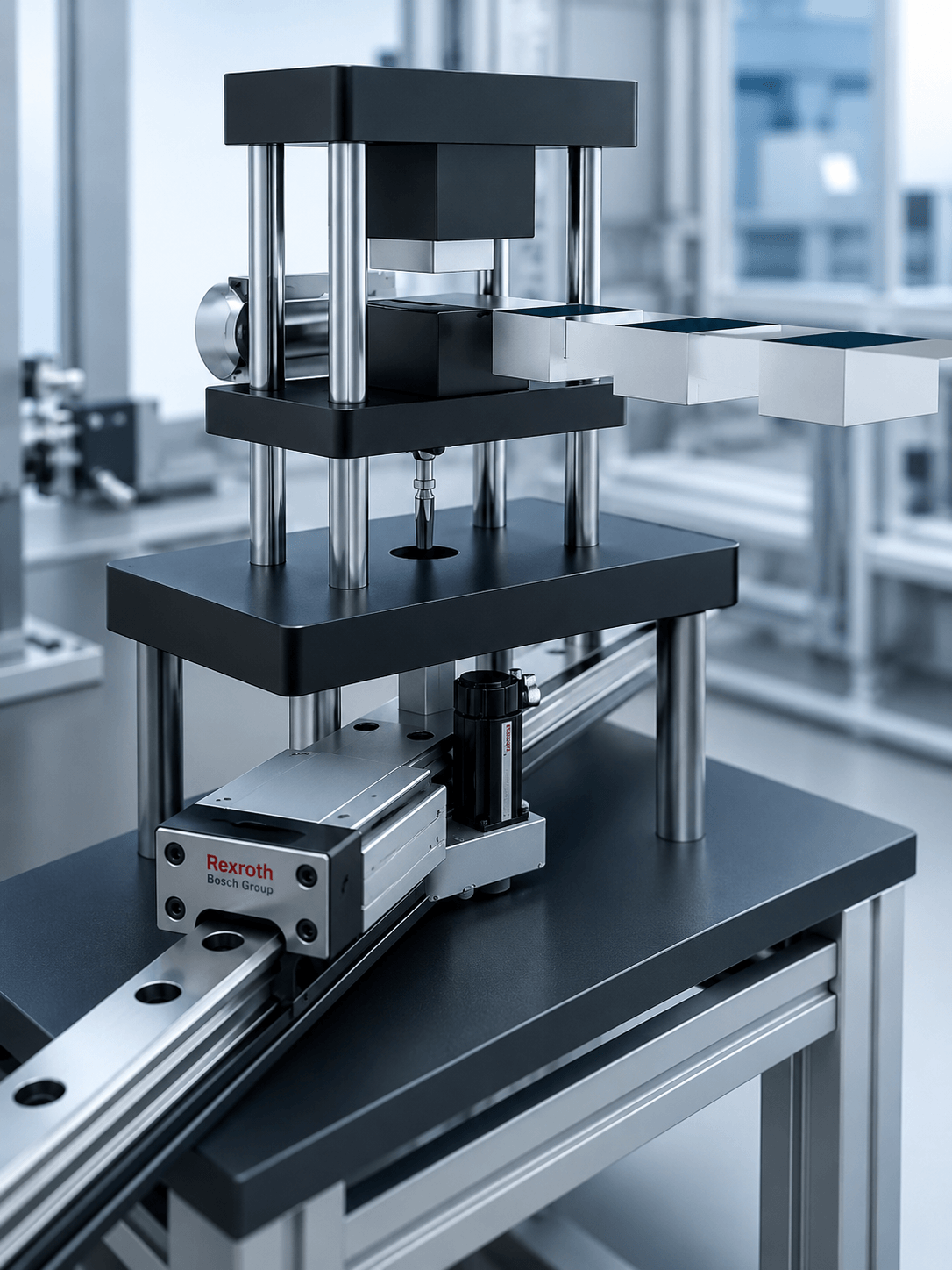 Bosch Rexroth Linear Guides
Learn what a linear guide is, how it works and the advantages of using Bosch Rexroth linear guides in industrial...Read more
-
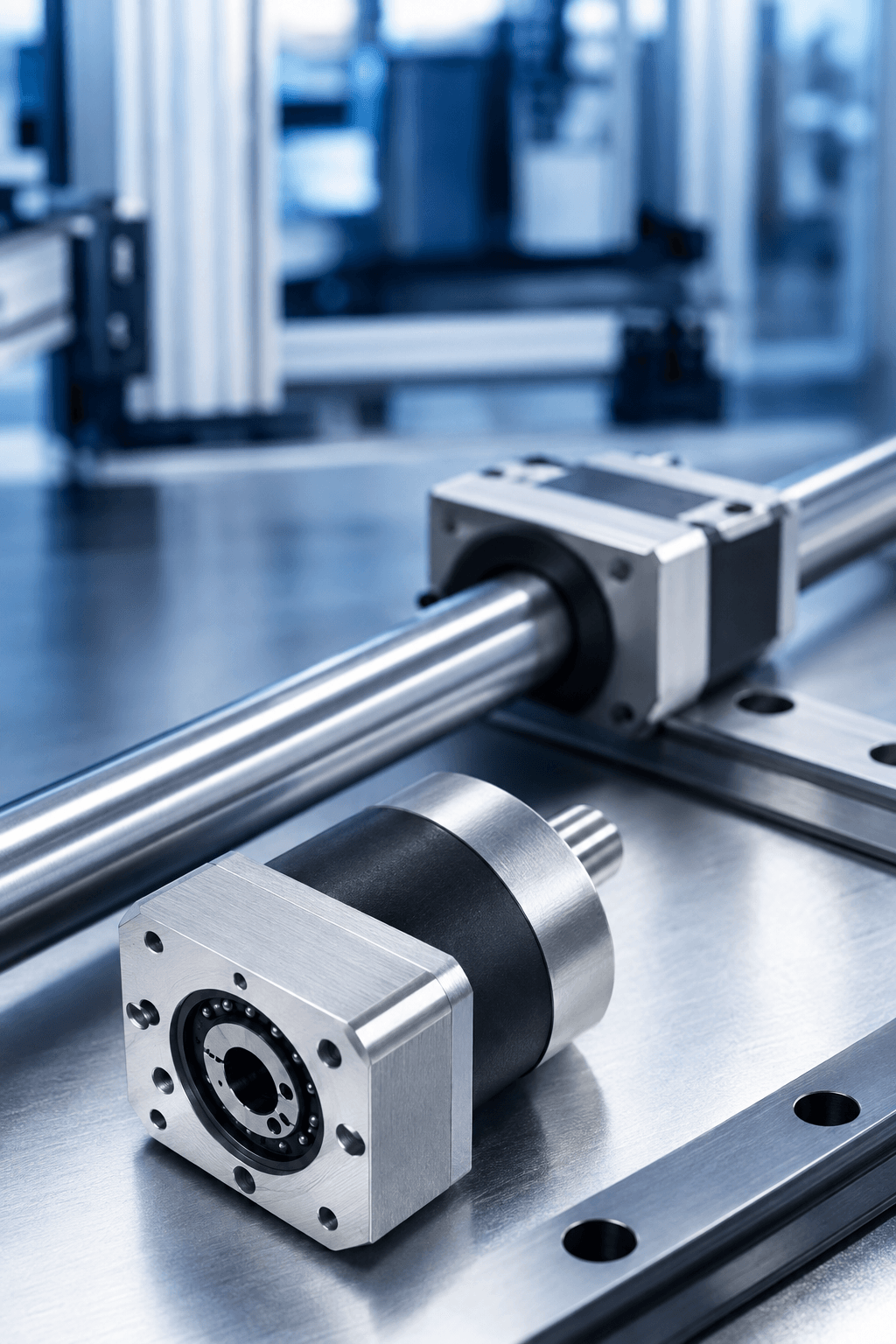 Linear bearings
Discover what linear bearings are, how they work, their main types and industrial applications, as well as the key...Read more
-
 Linear Actuators: What They Are, How They Work and How to Choose the Right Solution
Discover what linear actuators are, how they work and how to choose the right solution for industrial automation....Read more
Leave a comment